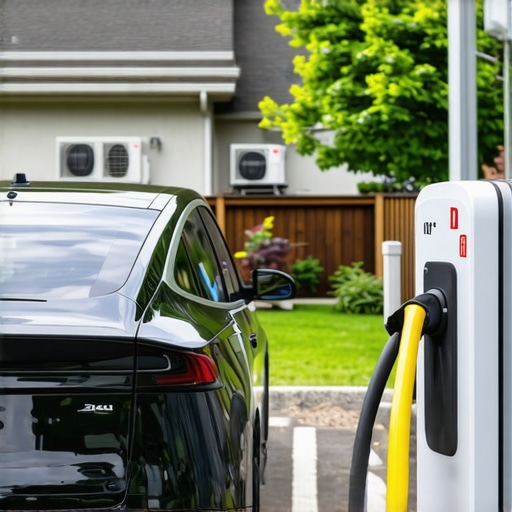

Why Your 2026 EV Charger Speed Drops When the AC Kicks In
I vividly remember plugging in my brand-new EV charger one chilly evening, only to watch the charging speed plummet the moment my air conditioner cycled on. That frustrating feeling of watching hours of charge time evaporate right before my eyes was a lightbulb moment for me. It made me realize how something as simple as the AC running could sabotage my charging efficiency, and I knew I wasn’t alone in this struggle.
Your EV charger delivering sluggish performance when your AC turns on isn’t just a minor inconvenience — it’s a sign that your home’s electrical setup might be misaligned with the latest 2026 standards. This issue can drain not only your patience but also your vehicle’s battery longevity and your household’s energy efficiency.
Today, I promise to guide you through understanding why this drop in speed happens, and more importantly, how to fix it. From panel upgrades to code compliance, we’ll uncover the root causes and solutions that can restore your charging performance.
Why Your Charging Speed Sinks When the AC Kicks In
This problem often feels like a sneaky gremlin messing with your home’s power setup. When the AC activates, it draws a significant surge of current, which can cause your EV charger to reduce its output or even disconnect temporarily. But what’s behind this power struggle? It boils down to your electrical panel’s capacity and the wiring configuration — especially with the new safety rules introduced in 2026.
Many homeowners inadvertently overlook the importance of a properly upgraded panel that aligns with modern EV and HVAC demands. A subpar setup can cause voltage drops or overloads, leading the charger to throttle its speed — a protective measure, but one that leaves you frustrated.
Early on, I made the mistake of assuming my existing panel was sufficient — a rookie error that cost me extra troubleshooting and upgrades. If you’re facing similar issues, I strongly recommend verifying your system’s code compliance and panel capacity. You can find detailed guidance on verifying code compliance. Knowing whether your setup passes these standards is crucial to prevent ongoing issues.
Understanding and addressing these foundational elements beforehand can save you from headaches and unexpected expenses. Ready to dig deeper? Upgrading your electrical panel might be the key to consistent, high-speed charging regardless of other household loads. I’ll detail exactly what to look for and how to approach these upgrades in the next sections.
Verify Your Home’s Electrical Code Compliance
Start by assessing whether your current electrical setup aligns with the new 2026 standards. Think of it like updating your phone’s OS—if you’re behind on updates, features may not work properly. To check, turn off your main breaker, open your panel, and compare your wiring and breaker sizes against the latest code requirements. Use a reliable guide like this checklist to identify any discrepancies. During my own inspection, I found outdated wiring that could not handle increased load, so I scheduled an upgrade immediately.Many homeowners believe that meeting the basic electrical standards guarantees a smooth EV charging experience, but in my experience, this is often a misconception. A common trap is to assume that complying with the minimum code requirements is sufficient, when in fact, certain nuanced violations can either invalidate your permit or even compromise safety. For example, some installers overlook the importance of proper grounding or fail to incorporate surge protection, which are critical for reliable and safe EV charging. These oversights aren’t just technicalities; they can lead to costly re-inspections or system failures down the line. To truly ensure code compliance, it’s essential to understand the latest updates and how they specifically apply to your household’s setup. Think of it like a car’s safety features—missing one component may still keep you on the road, but it increases vulnerability to hazards. Verifying your system against comprehensive checklists, such as those provided by industry experts, can reveal hidden violations that might seem insignificant but are actually major red flags. One often overlooked aspect is the correct sizing of breakers and conductors, which is frequently misjudged by DIYers eager to cut costs. This mistake isn’t just about code; it impacts your system’s capacity and fire safety. In fact, according to a 2023 electrical safety report, improper breaker sizing is among the leading causes of residential electrical hazards. Don’t fall into the trap of complacency—regular inspections and expert consultation are your best defenses against code violations. Properly upgrading and verifying your panel and wiring ensures not just compliance but peace of mind, especially as newer standards become more stringent. To avoid costly mistakes, always cross-reference your setup with the latest code amendments and consider consulting professionals who specialize in EV infrastructure. For a detailed guide, check out this comprehensive checklist. Remember, understanding the nuances and avoiding common myths about code compliance can save you money, time, and most importantly, ensure your home’s safety. Have you ever fallen into this trap? Let me know in the comments.
Stick with Trusted Tools for Maintenance
Keeping your EV charging setup functioning smoothly isn’t a one-and-done task. I rely heavily on specific tools and software to monitor, troubleshoot, and maintain my system effectively. For example, a quality clamp meter like the Fluke 323 allows me to quickly measure current flow without disconnecting wiring, ensuring safe and accurate diagnostics. I also use smart energy monitors connected to my home’s Wi-Fi, which provide real-time data on voltage fluctuations and power draw—crucial information to catch issues before they escalate.
When it comes to software, I recommend using dedicated EV charger diagnostic apps provided by major brands. These apps often come with firmware update capabilities, connection tests, and troubleshooting guides. Regularly checking your device’s firmware ensures compatibility with the latest standards and helps prevent performance drops, especially as newer models and regulations emerge.
How do I maintain my EV system over time?
Regular inspections and proactive maintenance are vital. Schedule annual electrical inspections with a licensed electrician familiar with EV infrastructure. They can verify that your panel, wiring, and grounding still meet code, and identify potential issues like loose connections or corrosion—common culprits of performance problems. Additionally, updating your system’s firmware and backup configurations periodically can prevent unexpected breakdowns. As I see it, investing in monitoring tools and routine checkups now saves substantial costs and stress later, especially considering the evolving standards for EV compatibility.
Looking ahead, I predict that integrated smart home systems will play an even larger role in maintaining EV systems. With AI-powered diagnostics and remote updates becoming more affordable, homeowners will be empowered to catch issues early and keep their systems running optimally without frequent tech visits. To ensure your setup is future-proof, consider connecting your EV charger to a home automation platform that supports diagnostics and alerts.
For those curious about long-term system health, I’ve found that combining digital monitoring with periodic manual inspections creates a robust maintenance strategy. And if troubleshooting gets tricky, don’t hesitate to consult detailed guides like this expert troubleshooting resource. Try integrating one new tool or practice from this approach next month—your future self will thank you for it!
Lessons That Changed My Approach to EV Panel Upgrades and Troubleshooting
One of the most eye-opening lessons I learned was the importance of verifying every detail when upgrading my electrical panel for EV charging. Overlooking the nuanced requirements for code compliance nearly caused my setup to fail inspection, despite appearing compliant on the surface. This taught me to double-check breaker sizing, grounding, and wiring lengths against the latest standards—not just once, but periodically. Another insight was realizing that best tools and software, like trustworthy diagnostic apps and quality clamp meters, are essential for ongoing maintenance and early fault detection. Lastly, I discovered the true value of consulting with seasoned electricians familiar with 2026 standards, which saved me both time and money, ensuring my home remained safe and my charger performance optimal.
Tools and Resources That Made a Difference
My go-to toolkit includes industry-recommended digital multimeters and smart energy monitors, which provide real-time data on voltage and current fluctuations. For reliable diagnostics, I trust apps developed by EV charger brands, as they supply firmware updates and troubleshooting guidance tailored to specific models. To stay on top of evolving code requirements, I highly recommend consulting resources about code compliance verification from experienced electricians. Additionally, revisiting professional articles like panel upgrade guides helps me plan upgrades confidently and avoid common pitfalls.
Seize the Power of Proactive Maintenance
Your EV charging journey doesn’t end after installation; it’s an ongoing process. Regular inspections, combined with digital tools that monitor system health, can catch issues before they escalate. Embracing smart home integrations and firmware updates keeps the system synchronized with the latest industry standards. Trust me, a small investment in routine checks and quality tools today drastically reduces the risk of unexpected power drops and ensures your home stays safe and efficient well into the future. Are you ready to take control of your EV charging experience and embrace proactive maintenance? Let’s keep the conversation going below!